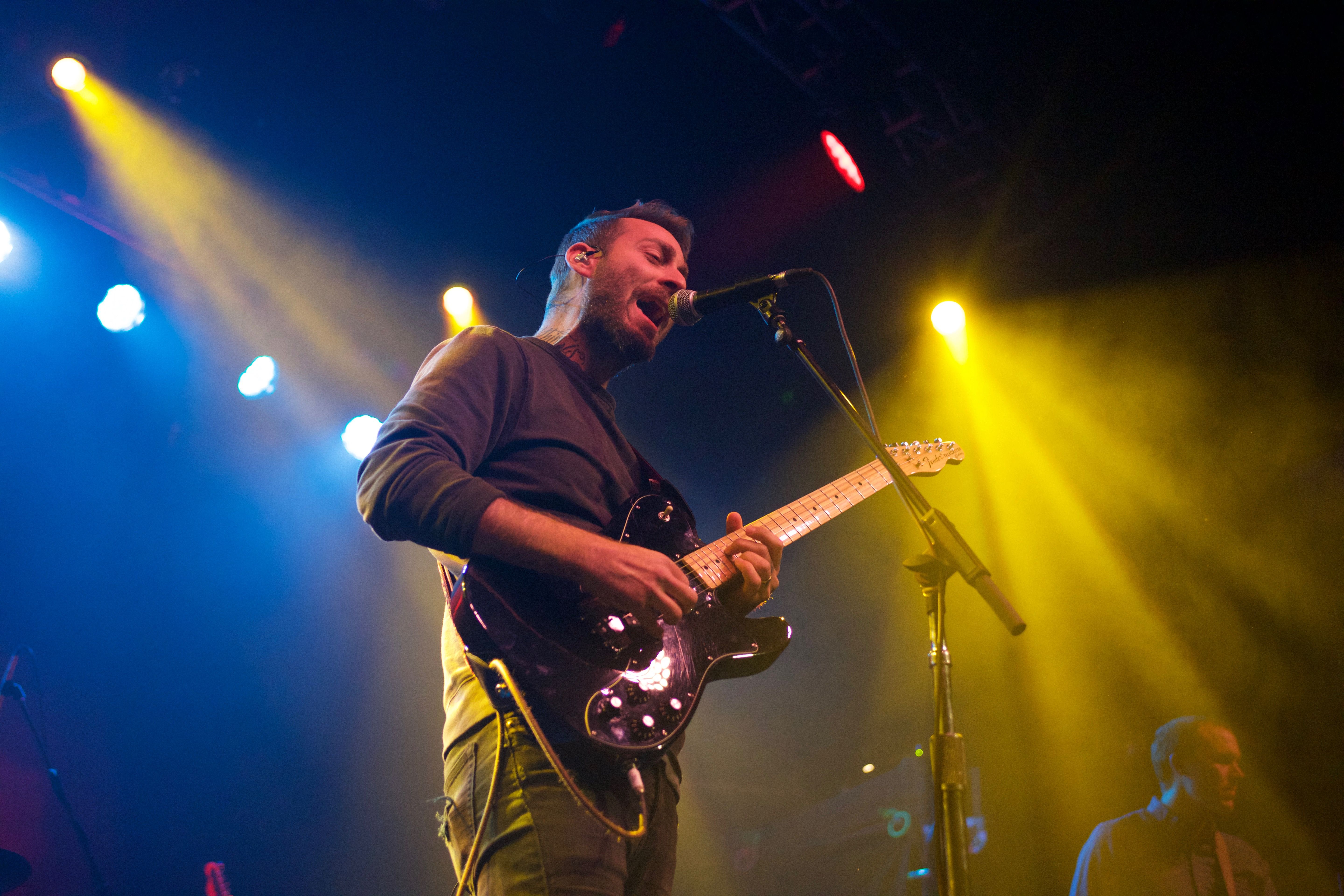
Consider this data point: Geese, a New York indie rock band whose music includes a song that opens with the lyric 'THERE'S A BOMB IN MY CAR' delivered as a scream, is playing a 14,000-capacity outdoor amphitheater in Queens. American Football, the Champaign, Illinois emo band whose 1999 debut is the most cited influence in the genre, is filling sold-out rooms from Denver to London on a tour that supports two causes related to immigrant rights.
Neither of these things would have seemed plausible five years ago. The touring economy in 2026 for independent music — music that exists outside major label systems, or in the independent subsidiary space — looks fundamentally different from what it looked like pre-pandemic. And the difference is not, primarily, about streaming or social media, though those are factors. The difference is about what happened to music listening habits during the pandemic years.
During COVID lockdowns, people revisited music with a different kind of attention. American Football's LP1 found new audiences. Snail Mail's Valentine was discovered by people who hadn't heard Lush. Geese built their reputation through live performances that were, by all accounts, extraordinary, and their albums accrued listeners organically. When the concert economy reopened, these newly engaged audiences wanted to see the bands they'd spent the lockdown years discovering.
The result is a touring market where bands that would previously have topped out at 2,000-capacity clubs are graduating to 5,000 and 10,000-capacity venues. American Football is playing The Salt Shed in Chicago — a 4,500-capacity venue — and the Brooklyn Paramount at 2,500. Geese is playing Forest Hills Stadium at 14,000. These are numbers that correspond to genuine audiences, not hype.
What this means for the ecology of indie rock is complicated. Bigger venues mean better economics for the band and crew, which means more sustainable careers. It also means less intimacy, which has historically been part of what indie rock audiences value. The best bands — and Geese and American Football both qualify — manage to maintain the sense of stakes and presence regardless of venue size. The worst ones disappear into the space. 2026 is when we find out which category the current wave belongs in.