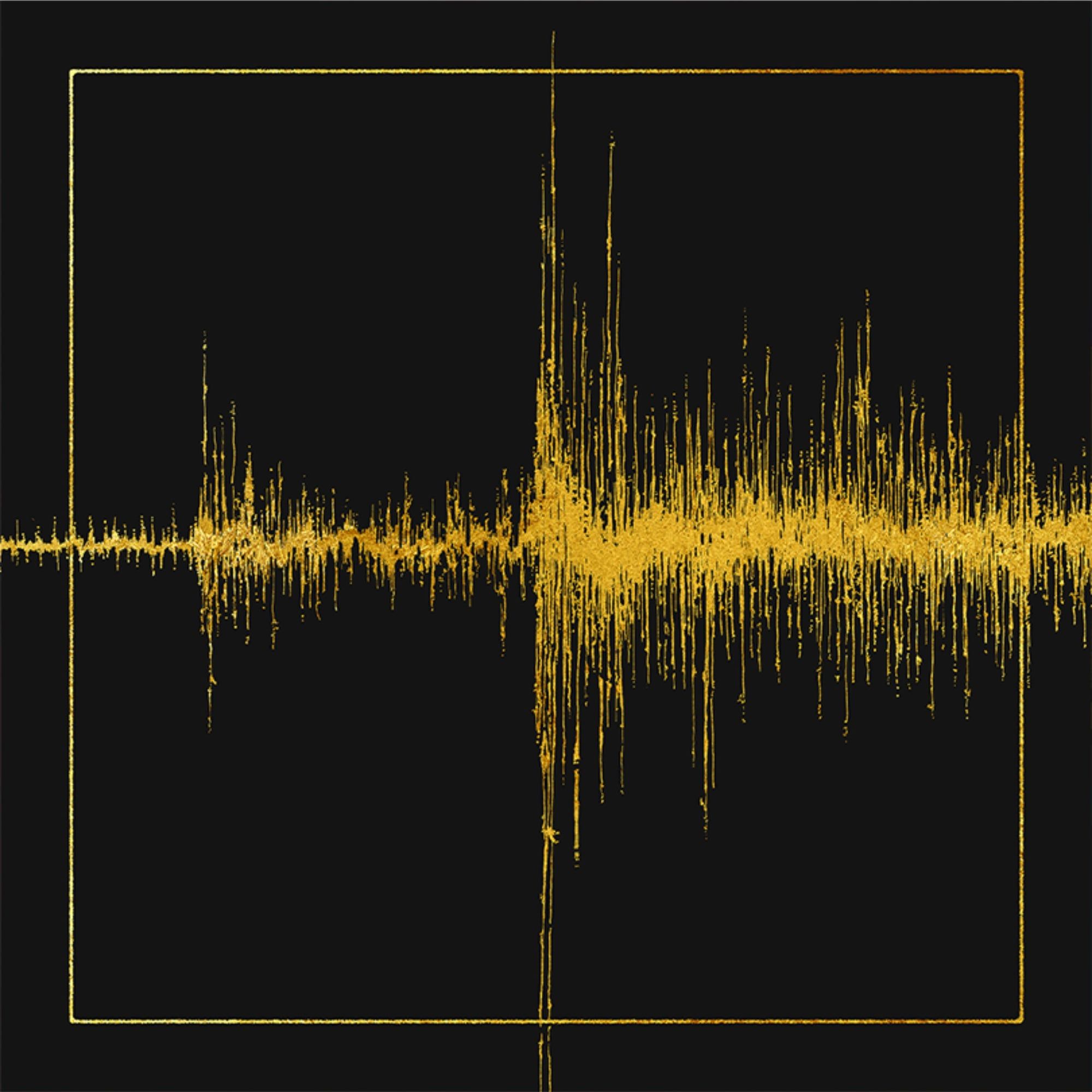
Converge are not letting 2026 breathe. The Boston hardcore institution have shared "Doom in Bloom," a new single from Hum of Hurt, which Deathwish Inc. lists for digital release on June 5 and vinyl release on July 17.
The song is also called out on Converge's official site as one of the album's edition-specific variants, which gives this rollout the kind of collector-brain sprawl that longtime Deathwish followers know well. More importantly, it keeps the band in a strange and productive lane: Hum of Hurt follows Love Is Not Enough as the band's second full-length release of the year, according to Deathwish's album copy.
That pace would be reckless for most bands this deep into a catalog. For Converge, it mostly feels like a reminder that their best late-career work has never been about sanding down the edges. "Doom in Bloom" is the opposite of legacy-act comfort: a scraped-up, lurching piece of metallic hardcore that treats the groove like something trying to crawl out of a wall.
Jacob Bannon's statement in the Deathwish album notes is blunt about the song's emotional temperature. "It's dark and pointed right at you," he says. "Lyrically, I'm exploring how my own middle-aged introspection doesn't always bring a brighter light. I see my own trappings reflected in those around me. Here I am imploring them to slip the noose to see another day."
It's dark and pointed right at you.
The track arrives with a music video titled Converge - "Doom in Bloom". Stereogum identifies the clip as directed by George Gallardo Kattah, while Consequence also notes the video release alongside the single.
Deathwish's product page credits Hum of Hurt as recorded and mixed by guitarist Kurt Ballou at God City in Salem, Massachusetts, with engineering assistance from Zach Weeks. It also says Bannon and UK artist Thomas Hooper collaborated on the album artwork.
The clean version of the news is simple: Converge have another album nearly here, and "Doom in Bloom" is the kind of single that makes the word "nearly" feel obnoxious. It is ugly in the useful way, exacting without sounding tidy, and still recognizably the work of a band that can make a breakdown feel less like release than further pressure.